
Start your day with breathing exercises for stress relief
A worldwide pandemic is more than enough to induce excess stress. Many people have had to deal with a changing work life and family life, leading to uncertainty. Having a moment of mindfulness with breathwork at the beginning of the day can help add consistency and structure to your routine.

Growing hair naturally is never an easy feat. We all want thick, lustrous, and long locks, but getting there without expensive treatments or procedures can feel impossible at times. Little do people know, there are many natural techniques for you to enhance hair growth and thickness at home. Here are our favorite tips to start your hair growth journey today.
1. Coconut oil
This inexpensive hair remedy can double as a delicious cooking oil in your household. But applying the oil topically can actually protect damaged hair, and reduce loss of protein, or amino acids, which are essential for growth. Coconut oil can even possibly reverse the side effects of products containing harsh chemicals. Just massage a couple of tablespoons into your scalp and wash it off after an hour.
2. Gooseberry
Otherwise known as amla, gooseberry is a common remedy for hair loss in India. Apparently, it proliferates hair growth by stimulating the dermal papilla cells on our follicles. It also extends the active growth phase of our hair’s natural growth cycle, which means it should be a staple in your beauty routine. Apply with palms and massage in hair, washing out after an hour.
3. Yogurt
The key ingredient in yogurt is probiotics, which can increase growth and reduce damage. In a study done on mice, yogurt made their fur more luxurious, and apparently the same goes for humans! However, don’t try to dip your hair in a bucket of yogurt. Just eating this snack daily can help promote healthy hair. Make sure to buy a plain variety, with added probiotics if possible.
4. Onion Juice
This is not the best smelling remedy on our list, but it is an effective one. It can even possible treat patchy alopecia areata thanks to its phytochemical compounds. To extract the juice, strain half an onion and apply it to the scalp. Wash it off completely with a liberal amount of shampoo to get rid of the smell. Do this two times a week.
5. Fenugreek
This under-utilized ingredient is essential for glossy locks, due to its bioactive compounds. However, it’s necessary to know that if you are allergic to legumes like soybeans, peanuts, or green peas, you could have an allergy to fenugreek seeds. If you don’t soak a quarter of the seeds overnight in water. Then, grind them into a paste and apply as a hair mask for 30 minutes, rinsing off with water only.
6. Green tea
From facials to under-eye masks, green tea bags have been a natural beauty savior for decades. Green tea is packed with antioxidants and polyphenols which can promote silky strands. The bioactive compounds in this slightly bitter tea can even reduce hair loss. You can drink a few cups daily to reap the benefits.
7. Fish oil
Stock up on those omega-3 fatty acids! Consuming fish oil in liquid or capsule form can promote hair growth because these supplements contain a precious resource called DHA, or docosahexaenoic acid. It proliferates dermal papilla cells within the scalp, which can even reverse thinning hair and issues with balding.
8. Coffee
Most people don’t know that a cup of Joe can help them reach their hair goals. Caffeine can elongate the hair shaft and prolongs the anagen phase of hair growth, which can reduce balding or thinning. All you have to do is drink a cup of coffee per day! Just don’t overdo it with the refills, or the cream and sugar.
9. Rosemary oil
Essential oils are a common remedy for those who have trouble growing out their hair as desired. Rosemary oil is one of the more important essential oils to stimulate that grown and treat androgenetic alopecia. Simply mix a few drops of rosemary oil into a carrier oil to protect your skin, massaging it into the scalp and hair before rinsing it out. You can also buy shampoos and conditioners with rosemary oil as the main ingredient.
10. Egg
An egg yolk mask can help with a range of hair problems. Eggs contain a high amount of lecithin and protein, which both heal and nourish strands, making them as strong as possible. Eggs also contain a high sulfur content, which can help people suffering from dandruff. To make this mask, combine two eggs with two tablespoons of olive oil. Dilute with half a cup of water, which will also reduce stickiness. Apply it on dry hair that has been brushed, and leave for 30 minutes before shampooing off.

Research suggests that retaining a report of the whole thing you put in your mouth without a doubt can assist you meet your weight loss goals.Getty Images
Over the years, you’ve possibly heard your honest share of wacky weight loss advice, whether or not it’s to drink celery juice each day or exchange your foods with weight loss “cookies.” And often, these suggestions are promoted with the aid of humans except any fitness expertise. (Read: Proceed with caution.)
But simply as there’s a ton of faulty weight loss recommendation out there to be avoided, there are additionally a lot of legitimate, research-backed and expert-approved suggestions.
One such tip: Pick a time to workout — and stick to it. A find out about posted in July 2019 in the journal Obesity observed that exercising persistently at a sure time every day may also assist you efficaciously preserve weight loss.
Other properly advice: Choose nuts over closely processed snacks. An article posted in December 2019 in BMJ Nutrition, Prevention & Health discovered that upping how many nuts you consume via half of a serving (for instance from ½ ounce to 1 ounce) every day is linked with much less weight obtain and decrease odds of obesity.
There’s additionally proof that a weight loss counselor may want to assist you trim your waistline. A find out about posted in November 2019 in JAMA Internal Medicine discovered that for humans with kind two diabetes, pairing such counseling periods (in this case, weight loss with the aid of low-carb dieting) with team scientific visits helped them lose weight and decrease their blood sugar levels. A win-win! What doesn’t work? Endless dieting. Taking a two-week food plan ruin may also useful resource weight loss, in accordance to a small find out about involving chubby men. Researchers posted the findings in August 2017 in the International Journal of Obesity.
Follow these varieties of tips, and you simply may discover your self shedding kilos and feeling greater energized and confident. What’s now not to like about that?
And we know, dropping weight may additionally be daunting — however doing it is nonetheless well worth it, in particular when it comes to your health.
For example, weight loss may also assist decrease your breast most cancers risk. A massive learn about posted in December 2019 in the Journal of the National Cancer Institute located that obese ladies who shed kilos after turning 50 years historic had decrease odds of growing breast most cancers than these whose weight stayed about the same.
Also, dropping weight has the viable to put kind two diabetes into remission. A learn about posted in September 2019 in Diabetic Medicine located that amongst humans with kind two diabetes, dropping 10 percentage or extra of their physique weight inside the first 5 years of a analysis was once related with higher odds of the sickness going into remission. According to the American Heart Association, carrying greater weight can additionally up your odds of coronary heart sickness and stroke.
Discover these fine methods to shed kilos — whether or not you have a little or a lot to lose — straight from in-the-know experts.
1. Eat Slowly
“I have my consumers analyze how to pick out meals they like, certainly style every morsel going into their mouths, and bite deliberately. I advocate them to chunk slowly, swallow solely when the meals is all chewed up, and repeat. It takes time to comprehend we're full. Eating slowly lets in us to no longer solely experience our meals more, however offers us higher cues of satiety.” — Janet Zinn, a licensed medical social employee and psychotherapist in non-public exercise in New York City
RELATED: What Is Intuitive Eating? A Beginner’s Guide to the ‘Anti-Diet’
2. You Bite It, You Write It!
“That’s my rule, and severa research have proven the effectiveness of meals journaling for weight loss. One of my purchasers went out of city for one week. She stopped journaling and received thirteen pounds. I promise that preserving a meals journal helps!” — Christine King, the founder and CEO of the fitness and well being business enterprise YourBestFit in Boynton Beach, Florida
3. Exercise Anything That Moves
“That’s my mantra — and I began this after I broke my lower back and used to be paralyzed from the waist down. Do it in bed, whilst seated, standing, or walking. Just move. People have a false impression that 5 minutes doesn’t make a difference, however each minute makes a difference.” (And lookup posted in January 2014 in the journal Progress in Cardiovascular Diseasesshowed that bodily undertaking is integral when it comes to absolutely maintaining misplaced weight off.) — King
4. Keep a Daily Gratitude Journal
“Our ingesting habits are generally related to our feelings — whether we recognize it or not. When we're stressed, we have a tendency to attain for sweets. I inform purchasers that by way of retaining a day by day journal of matters you are grateful for, you’re higher in a position to cope with the stress through acknowledging it as a substitute than attaining for dessert.” — Lauren Manganiello, RD, a vitamin counselor and health teach in New York City
RELATED: Stress Hack: How Maintaining a Gratitude Journal for 1 Month Made Me Happier
5. Batch Cook and Prep
“Every Sunday I batch cook dinner adequate hen for the week. I reduce off the fat, bake it with seasoning, measure 3.5 oz. (oz), and put that tons into a container with some mustard and frozen veggies, so I can grasp one a day to deliver to work. I additionally take the time to divvy up ¼ cup of rolled oats, 1 tablespoon (tbsp) herbal peanut butter, 1 tbsp floor flax, and a pinch every of protein powder and cinnamon to sweeten in man or woman containers. So when I’m a zombie in the morning, all I want to do is add water and microwave!” — Kyra Williams, a private coach in Boston
6. Get Enough Z’s
“A lack of sleep will increase your starvation hormone — ghrelin — and decreases your ‘satisfaction’ hormone, leptin, which can make contributions to weight gain. When we are sleep deprived, we crave greater salty and candy foods. Why? Because whenever you sense extra severe hunger, your cravings for greater electricity — aka greater calorie — ingredients intensify. We additionally recognize that the way we suppose and method our thoughts is affected via insufficient sleep, so it’s convenient to join this with an impaired potential to make sound preferences in many areas of life, together with with food. If we flip the coin, we can safely count on that when we are properly rested, we will make higher choices. When it comes to eating, that would imply that we would devour when we are surely hungry, and devour simply till satisfied. Our hormones are additionally going to be higher balanced due to the fact our our bodies bought the time wanted to sleep, repair, and refresh.” — Angela Lemond, RDN, a registered dietitian nutritionist in personal practice in Texas
7. Don’t Skip Meals
“Remember, our body's last purpose is to remain alive. As quickly as we are being stored from energy — which are actually the existence strength for our our bodies — it will do matters to survive. Our physique is aware of what ingredients are greater in electricity density, and we will crave these more. Honor your starvation and don’t enable your physique to assume it is being starved. This goes in opposition to many of the weight-reduction plan tactics, however these techniques absolutely do not work properly for humans in the lengthy term. I normally suggest consuming each 4 hours.” — Lemond
RELATED: 14 Diet and Weight Loss Mistakes — and How to Avoid Them
8. Stay Hydrated
“Research has observed that human beings who drank two glasses of water earlier than a meal misplaced extra weight than humans who didn’t drink water earlier than foods — and they saved it off. This easy tip works in two ways. Thirst can masks itself as hunger, inflicting you to consume more. And water makes you experience fuller, inflicting you to devour much less in the course of a meal.” — Megan Casper, RDN, a vitamin counselor and the founder and CEO of Nourished Bite
9. Cut Calories, Not Flavor
“By deciding on selections such as sharp cheddar over moderate cheddar, you can use less, however you’ll nevertheless get a lot of taste besides feeling like you are on a diet.” — Casper
10. Weigh Yourself Once a Week
“Same day, equal time, identical quantity of clothing. Remember that your weight isn’t a single wide variety however a five-pound range. Work to cross the vary down, now not the precise number.” — Lainey Younkin, RD, a vitamin counselor and advisor in Boston
11. Reorganize Your Plate
“Make 1/2 your plate vegetables, a quarter of your plate complete grains, and a quarter of your plate lean protein. When you swap the parts of grains and greens on your plate, you may see a difference. The solely caveat: Potatoes, corn, and peas are starchy vegetables, so they go in the grains category.” — Younkin
RELATED: How to Follow MyPlate (No Calorie-Counting Required!)
12. Follow the eighty Percent Rule
“Eat till you sense simply eighty percentage full. Pack any greater meals away as an alternative of feeling like you have to be section of the ‘clean plate club.’” — Helene Byrne, the founder of BeFit-Mom in Oakland, California
13. Skip the Liquid Calories
“There’s a robust relationship between sugar-sweetened drinks and weight reap in adults. If you often have a sip of some thing sweet, reflect onconsideration on this: Research has proven that decreasing consumption of sugar-sweetened drinks can end result in significant weight loss, even if it is the solely exchange you make. Replacing a 20-ounce soda with glowing water each and every day would retailer greater than 20,000 energy over a few months, which should translate into extra than 5 kilos of weight loss!” — Brittany Markides, RDN, the founder of Choose Food in Austin, Texas
14. Be Choosy at Restaurants
“The meals we consume away from domestic have a tendency to be greater in energy and decrease in vitamins than the ones we make at home. A learn about posted in April 2016 in the Journal of the Academy of Nutrition and Dieteticsfound that the common restaurant entrée consists of extra than 1,000 calories, and an whole day’s well worth of sodium and fat. To store calories, cut up your entrée or ask the server to alternative greater inexperienced veggies or a salad for potato or rice.” — Markides
15. Embrace Veggies
“When in doubt, devour a vegetable. They’re low-calorie, high-fiber, and full of nutrition. Snack on kale, lettuce, carrots, or inexperienced beans. And finally: Skip the butter and oil, however do add herbs or garlic for a top notch taste.” — Jamie Logie, a private trainer, nutritionist, fitness coach, and well being blogger in London, Ontario
RELATED: 14 Healthy Salad Greens Ranked From Best to Worst
16. In Fact, Make Vegetables the Stars
“Next time you make pasta, make a very small element of the pasta itself and toss the dish with roasted broccoli, shrimp, garlic, and lemon zest. You’ll experience much less disadvantaged and you’ll be in a position to nevertheless consume your favourite gratifying foods.” — Kate Martino, a physician’s assistant and weight loss instruct in personal exercise in Fair Lawn, New Jersey
17. Keep Unhealthy Foods out of the House
“It’s enormously simple: If you don’t have it, you can’t devour it. Instead of chips and cookies, preserve handy and easy-to-prepare objects at shut reach. Such objects consist of nuts and seeds, precut fruit and vegetables, string cheese, edamame, eggs, salmon, and yogurt. This does not suggest you cannot have treats. Just purchase your self one serving to revel in at a time.” — Rachel Goodman, RDN, a registered dietitian nutritionist in personal exercise in Brooklyn, New York
18. Use Portion-Controlled Dishes
“We consume with our eyes first and we like to see a full plate. Using smaller plates, bowls, and cups will minimize the quantity of meals you can serve yourself, whilst at the equal time enable you to fill your dish up and maintain you from feeling deprived. For example, an observational learn about confirmed that humans who used a 9-inch plate versus a 10- or 12-inch plate ate up to 22 percentage less!” — Goodman
RELATED: 10 Essential Facts About Metabolism and Weight Loss
19. Start Where You Are and Do What You Can
“Don't sense like you want to overhaul your complete lifestyles beginning immediately. Assess the place you are presently and then discern out the place you’d like to be in the future. A wonderful beginning factor for mainly sedentary human beings is to get a step counter and see how a good deal you stroll on a regular day. Then set a step purpose barely greater than the norm and attempt for that, working your way up slowly to a aim of 10,000 steps per day.” — Esther Avant, an ACE-certified non-public coach in Kapolei, Hawaii
20. Salt Craving? Skip the Chips
“When you want a salty fix, attain for popcorn, no longer chips. According to one study, these who munch on a cup of the air-popped deal with are extensively greater cozy than their chip-loving friends. Popcorn is a total grain, fiber-filled snack. A single serving of potato chips (for a normal 1-oz small bag) is a dense 149 calories, whilst the identical quantity of popcorn (air-popped) is solely 108, which means you can sense full and slim down with each scrumptious bite.” — Rene Ficek, RD, CDE, with Seattle Sutton’s Healthy Eating
21. Eat Breakfast
“To fight the urge to overindulge in the evening, make certain to devour a protein- and fiber-filled breakfast in the morning. Healthy picks for protein encompass eggs, yogurt, and nuts or nut butters. Pair protein with a high-fiber meals like a high-fiber cereal or fruit.” — Ficek
Additional reporting via Leslie Barrie.
I started my skincare routine early and never wavered. Back when I was 16, I had rosacea and my dermatologist said I needed to avoid alcohol, the sun, spicy foods, and wear sunscreen EVERY single day. I listened and have avoided alcohol, excessive sun exposure, spicy foods, and applied sunscreen daily even when nobody did back in the 90s. I also exfoliated with Paula’s Choice 2% BHA several times a week.
Now that I’m 40+, it’s been almost 25 years since that time and my skin looks better than it did when I was a teen. I’ve also experimented with other things such as AHAs, vitamin C, niacinamide, and soothing ingredients such as snail mucin, mugwort, and hyaluronic acid. I’ve also limited my consumption of red meat and sugar for health reasons, all of which also contribute to improved skin health. I could not be more surprised that after all these years, my interest in skincare and health has helped me to stop aging since that day at the dermatologist’s office!
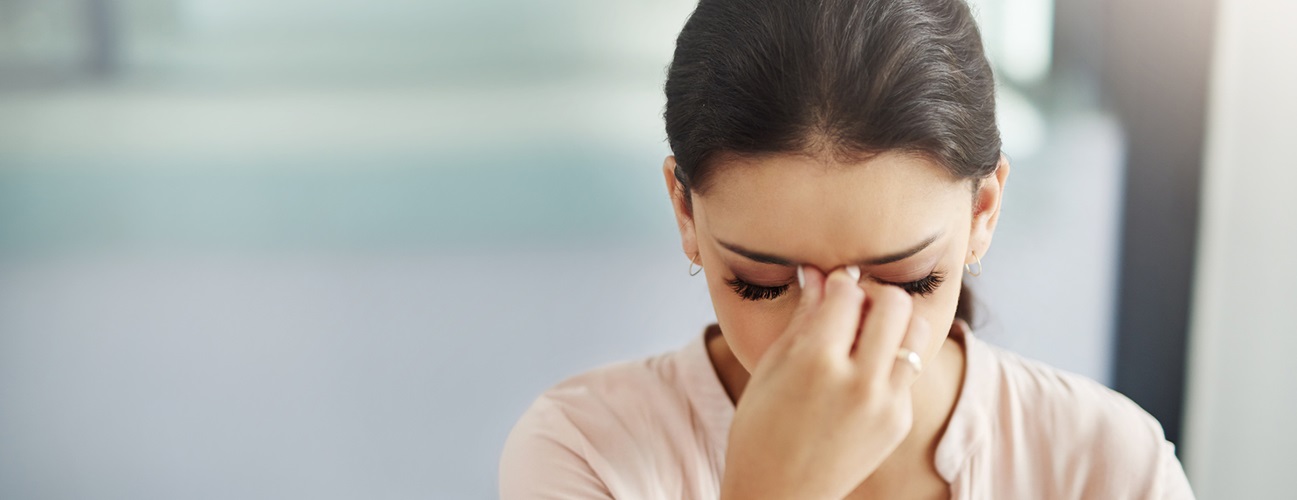
A migraine (UK: /ˈmiːɡreɪn/, US: /ˈmaɪ-/)[12][13] is a primary headache disorder characterized by recurrent headaches that are moderate to severe.[1] Typically, episodes affect one side of the head, are pulsating in nature, and last from a few hours to three days.[1] Associated symptoms may include nausea, vomiting, and sensitivity to light, sound, or smell.[2] The pain is generally made worse by physical activity,[14] although regular exercise may have prophylactic effects.[15] Up to one-third of people affected have aura: typically a short period of visual disturbance that signals that the headache will soon occur.[14] Occasionally, aura can occur with little or no headache following, but not everyone has this symptom.[16]
Omega 3 Fish oil and weight loss
Hande Ercel most beautiful actresses
Migraine is believed to be due to a mixture of environmental and genetic factors.[3] About two-thirds of cases run in families.[5] Changing hormone levels may also play a role, as migraine affects slightly more boys than girls before puberty and two to three times more women than men.[4][17] The risk of migraine usually decreases during pregnancy and after menopause.[4][18] The underlying mechanisms are not fully known.[18] They are, however, believed to involve the nerves and blood vessels of the brain.[5]
Initial recommended treatment is with simple pain medication such as ibuprofen and paracetamol (acetaminophen) for the headache, medication for the nausea, and the avoidance of triggers.[10] Specific medications such as triptans or ergotamines may be used in those for whom simple pain medications are not effective.[5] Caffeine in combination with other analgesics is safe and effective in treatment of acute migraine.[19][20][21] A number of medications are useful to prevent attacks including metoprolol, valproate, and topiramate.[8][9]
Globally, approximately 15% of people are affected by migraine.[11] In the Global Burden of Disease Study of 2010, it was ranked as the third most prevalent disorder in the world.[22] It most often starts at puberty and is worst during middle age.[1] As of 2016, it is one of the most common causes of disability.[23] An early description consistent with migraines is contained in the Ebers papyrus, written around 1500 BC in ancient Egypt.[24] The word migraine is from the Greek ἡμικρᾱνίᾱ (hēmikrāníā), 'pain in half of the head',[25] from ἡμι- (hēmi-), 'half', and κρᾱνίον (krāníon), 'skull'.[26]
Signs and symptoms
Migraine typically presents with self-limited, recurrent severe headache associated with autonomic symptoms.[5][27] About 15–30% of people living with migraine experience episodes with aura,[10][28] and they also frequently experience episodes without aura.[29] The severity of the pain, duration of the headache, and frequency of attacks are variable.[5] A migraine lasting longer than 72 hours is termed status migrainosus.[30] There are four possible phases to a migraine, although not all the phases are necessarily experienced:[14]
The prodrome, which occurs hours or days before the headache
The aura, which immediately precedes the headache
The pain phase, also known as headache phase
The postdrome, the effects experienced following the end of a migraine attack
Migraine is associated with major depression, bipolar disorder, anxiety disorders, and obsessive compulsive disorder. These psychiatric disorders are approximately 2–5 times more common in people without aura, and 3–10 times more common in people with aura.[31]
Prodrome phase
Prodromal or premonitory symptoms occur in about 60% of those with migraines,[2][32] with an onset that can range from two hours to two days before the start of pain or the aura.[33] These symptoms may include a wide variety of phenomena,[34] including altered mood, irritability, depression or euphoria, fatigue, craving for certain food(s), stiff muscles (especially in the neck), constipation or diarrhea, and sensitivity to smells or noise.[32] This may occur in those with either migraine with aura or migraine without aura.[35] Neuroimaging indicates the limbic system and hypothalamus as the origin of prodromal symptoms in migraine.[36]
Aura phase
Enhancements reminiscent of a zigzag fort structure Negative scotoma, loss of awareness of local structures
Positive scotoma, local perception of additional structures Mostly one-sided loss of perception
Aura is a transient focal neurological phenomenon that occurs before or during the headache.[2] Aura appears gradually over a number of minutes (usually occurring over 5–60 minutes) and generally lasts less than 60 minutes.[37][38] Symptoms can be visual, sensory or motoric in nature, and many people experience more than one.[39] Visual effects occur most frequently: they occur in up to 99% of cases and in more than 50% of cases are not accompanied by sensory or motor effects.[39]
Visual disturbances often consist of a scintillating scotoma (an area of partial alteration in the field of vision which flickers and may interfere with a person's ability to read or drive).[2] These typically start near the center of vision and then spread out to the sides with zigzagging lines which have been described as looking like fortifications or walls of a castle.[39] Usually the lines are in black and white but some people also see colored lines.[39] Some people lose part of their field of vision known as hemianopsia while others experience blurring.[39]
Sensory aura are the second most common type; they occur in 30–40% of people with auras.[39] Often a feeling of pins-and-needles begins on one side in the hand and arm and spreads to the nose–mouth area on the same side.[39] Numbness usually occurs after the tingling has passed with a loss of position sense.[39] Other symptoms of the aura phase can include speech or language disturbances, world spinning, and less commonly motor problems.[39] Motor symptoms indicate that this is a hemiplegic migraine, and weakness often lasts longer than one hour unlike other auras.[39] Auditory hallucinations or delusions have also been described.[40]
Pain phase
Classically the headache is unilateral, throbbing, and moderate to severe in intensity.[37] It usually comes on gradually[37] and is aggravated by physical activity.[14] However, the effects of physical activity on migraine are complex and some researchers have concluded that, while exercise can trigger migraine attacks, regular exercise may have a prophylactic effect and decrease frequency of attacks.[15] The feeling of pulsating pain is not in phase with the pulse.[41] In more than 40% of cases, however, the pain may be bilateral and neck pain is commonly associated with it.[42] Bilateral pain is particularly common in those who have migraine without aura.[2] Less commonly pain may occur primarily in the back or top of the head.[2] The pain usually lasts 4 to 72 hours in adults,[37] however in young children frequently lasts less than 1 hour.[43] The frequency of attacks is variable, from a few in a lifetime to several a week, with the average being about one a month.[44][45]
The pain is frequently accompanied by nausea, vomiting, sensitivity to light, sensitivity to sound, sensitivity to smells, fatigue and irritability.[2] Many thus seek a dark and quiet room.[46] In a basilar migraine, a migraine with neurological symptoms related to the brain stem or with neurological symptoms on both sides of the body,[47] common effects include a sense of the world spinning, light-headedness, and confusion.[2] Nausea occurs in almost 90% of people, and vomiting occurs in about one-third.[46] Other symptoms may include blurred vision, nasal stuffiness, diarrhea, frequent urination, pallor, or sweating.[48] Swelling or tenderness of the scalp may occur as can neck stiffness.[48] Associated symptoms are less common in the elderly.[49]
Silent migraine
Sometimes, aura occurs without a subsequent headache.[39] This is known in modern classification as a typical aura without headache, or acephalgic migraine in previous classification, or commonly as a silent migraine.[50][51] However, silent migraine can still produce debilitating symptoms, with visual disturbance, vision loss in half of both eyes, alterations in color perception, and other sensory problems, like sensitivity to light, sound, and odors, and aura sudden outbreak without headache can be scary.[52] It can last from 15 to 30 minutes, usually no longer than 60 minutes, and it can recur or appear as an isolated event.[51]
Postdrome
The migraine postdrome could be defined as that constellation of symptoms occurring once the acute headache has settled.[53] Many report a sore feeling in the area where the migraine was, and some report impaired thinking for a few days after the headache has passed. The person may feel tired or "hung over" and have head pain, cognitive difficulties, gastrointestinal symptoms, mood changes, and weakness.[54] According to one summary, "Some people feel unusually refreshed or euphoric after an attack, whereas others note depression and malaise."[55] For some individuals this can vary each time.
Cause
The underlying causes of migraines are unknown.[56] However, they are believed to be related to a mix of environmental and genetic factors.[3] They run in families in about two-thirds of cases[5] and rarely occur due to a single gene defect.[57] While migraines were once believed to be more common in those of high intelligence, this does not appear to be true.[58] A number of psychological conditions are associated, including depression, anxiety, and bipolar disorder,[59] as are many biological events or triggers.
Genetics
Main article: Genetics of migraine headaches
Studies of twins indicate a 34% to 51% genetic influence of likelihood to develop migraine.[3] This genetic relationship is stronger for migraine with aura than for migraines without aura.[29] A number of specific variants of genes increase the risk by a small to moderate amount.[57]
Single gene disorders that result in migraines are rare.[57] One of these is known as familial hemiplegic migraine, a type of migraine with aura, which is inherited in an autosomal dominant fashion.[60][61] Four genes have been shown to be involved in familial hemiplegic migraine.[62] Three of these genes are involved in ion transport.[62] The fourth is an axonal protein associated with the exocytosis complex.[62] Another genetic disorder associated with migraine is CADASIL syndrome or cerebral autosomal dominant arteriopathy with subcortical infarcts and leukoencephalopathy.[2] One meta-analysis found a protective effect from an angiotensin converting enzyme polymorphisms on migraine.[63] The TRPM8 gene, which codes for a cation channel, has been linked to migraines.[64]
Triggers
Migraine may be induced by triggers, with some reporting it as an influence in a minority of cases[5] and others the majority.[65] Many things such as fatigue, certain foods, and weather have been labeled as triggers; however, the strength and significance of these relationships are uncertain.[65][66] Most people with migraines report experiencing triggers.[67] Symptoms may start up to 24 hours after a trigger.[5]
Physiological aspects
Common triggers quoted are stress, hunger, and fatigue (these equally contribute to tension headaches).[65] Psychological stress has been reported as a factor by 50 to 80% of people.[68] Migraine has also been associated with post-traumatic stress disorder and abuse.[69] Migraine episodes are more likely to occur around menstruation.[68] Other hormonal influences, such as menarche, oral contraceptive use, pregnancy, perimenopause, and menopause, also play a role.[70] These hormonal influences seem to play a greater role in migraine without aura.[58] Migraine episodes typically do not occur during the second and third trimesters of pregnancy, or following menopause.[2]
Dietary aspects
Between 12 and 60% of people report foods as triggers.[71][72] Evidence for such triggers, however, mostly relies on self-reports and is not rigorous enough to prove or disprove any particular trigger.[73] A clear explanation for why food might trigger migraines is also lacking.[71]
There does not appear to be evidence for an effect of tyramine – which is naturally present in chocolate, alcoholic beverages, most cheeses and processed meats – on migraine.[74] Likewise, while monosodium glutamate (MSG) is frequently reported,[75] evidence does not consistently support that it is a dietary trigger.[76]
Environmental aspects
A review on potential triggers in the indoor and outdoor environment concluded that there is insufficient evidence to confirm environmental factors as causing migraine. They nevertheless suggested that people living with migraine take some preventive measures related to indoor air quality and lighting. This includes ventilation and various black out items to reduce light at the maximum rate.[77]
Pathophysiology
Animation of cortical spreading depression
Migraine is believed to be primarily a neurological disorder,[78][79][80] while others believe it to be a neurovascular disorder with blood vessels playing the key role, although current evidence does not support this completely.[81][82][83][84] Others believe both are likely important.[85][86][87][88] One theory is related to increased excitability of the cerebral cortex and abnormal control of pain neurons in the trigeminal nucleus of the brainstem.[89]
Aura
Cortical spreading depression, or spreading depression according to Leão, is a burst of neuronal activity followed by a period of inactivity, which is seen in those with migraines with aura.[90] There are a number of explanations for its occurrence, including activation of NMDA receptors leading to calcium entering the cell.[90] After the burst of activity, the blood flow to the cerebral cortex in the area affected is decreased for two to six hours.[90] It is believed that when depolarization travels down the underside of the brain, nerves that sense pain in the head and neck are triggered.[90]
Pain
The exact mechanism of the head pain which occurs during a migraine episode is unknown.[91] Some evidence supports a primary role for central nervous system structures (such as the brainstem and diencephalon),[92] while other data support the role of peripheral activation (such as via the sensory nerves that surround blood vessels of the head and neck).[91] The potential candidate vessels include dural arteries, pial arteries and extracranial arteries such as those of the scalp.[91] The role of vasodilatation of the extracranial arteries, in particular, is believed to be significant.[93]
Neuromodulators
Adenosine, a neuromodulator, may be involved.[94] Released after the progressive cleavage of adenosine triphosphate (ATP), adenosine acts on adenosine receptors to put the body and brain in a low activity state by dilating blood vessels and slowing the heart rate, such as before and during the early stages of sleep. Adenosine levels have been found to be high during migraine attacks.[94][95] Caffeine's role as an inhibitor of adenosine may explain its effect in reducing migraine.[96] Low levels of the neurotransmitter serotonin, also known as 5-hydroxytryptamine (5-HT), are also believed to be involved.[97]
Calcitonin gene related peptides (CGRPs) have been found to play a role in the pathogenesis of the pain associated with migraine, as levels of it become elevated during an attack.[10][41]
Diagnosis
The diagnosis of a migraine is based on signs and symptoms.[5] Neuroimaging tests are not necessary to diagnose migraine, but may be used to find other causes of headaches in those whose examination and history do not confirm a migraine diagnosis.[98] It is believed that a substantial number of people with the condition remain undiagnosed.[5]
The diagnosis of migraine without aura, according to the International Headache Society, can be made according to the following criteria, the "5, 4, 3, 2, 1 criteria":[14]
Five or more attacks—for migraine with aura, two attacks are sufficient for diagnosis.
Four hours to three days in duration
Two or more of the following:
Unilateral (affecting one side of the head)
Pulsating
Moderate or severe pain intensity
Worsened by or causing avoidance of routine physical activity
One or more of the following:
Nausea and/or vomiting;
Sensitivity to both light (photophobia) and sound (phonophobia)
If someone experiences two of the following: photophobia, nausea, or inability to work or study for a day, the diagnosis is more likely.[99] In those with four out of five of the following: pulsating headache, duration of 4–72 hours, pain on one side of the head, nausea, or symptoms that interfere with the person's life, the probability that this is a migraine is 92%.[10] In those with fewer than three of these symptoms the probability is 17%.[10]
Classification
Main article: ICHD classification and diagnosis of migraine
Migraine was first comprehensively classified in 1988.[29] The International Headache Society updated their classification of headaches in 2004.[14] A third version was published in 2018.[100] According to this classification, migraine is a primary headache disorder along with tension-type headaches and cluster headaches, among others.[101]
Migraine is divided into seven subclasses (some of which include further subdivisions):
Migraine without aura, or "common migraine", involves migraine headaches that are not accompanied by aura.
Migraine with aura, or "classic migraine", usually involves migraine headaches accompanied by aura. Less commonly, aura can occur without a headache, or with a nonmigraine headache. Two other varieties are familial hemiplegic migraine and sporadic hemiplegic migraine, in which a person has migraine with aura and with accompanying motor weakness. If a close relative has had the same condition, it is called "familial", otherwise it is called "sporadic". Another variety is basilar-type migraine, where a headache and aura are accompanied by difficulty speaking, world spinning, ringing in ears, or a number of other brainstem-related symptoms, but not motor weakness. This type was initially believed to be due to spasms of the basilar artery, the artery that supplies the brainstem. Now that this mechanism is not believed to be primary, the symptomatic term migraine with brainstem aura (MBA) is preferred.[47]
Childhood periodic syndromes that are commonly precursors of migraine include cyclical vomiting (occasional intense periods of vomiting), abdominal migraine (abdominal pain, usually accompanied by nausea), and benign paroxysmal vertigo of childhood (occasional attacks of vertigo).
Retinal migraine involves migraine headaches accompanied by visual disturbances or even temporary blindness in one eye.
Complications of migraine describe migraine headaches and/or auras that are unusually long or unusually frequent, or associated with a seizure or brain lesion.
Probable migraine describes conditions that have some characteristics of migraines, but where there is not enough evidence to diagnose it as a migraine with certainty (in the presence of concurrent medication overuse).
Chronic migraine is a complication of migraines, and is a headache that fulfills diagnostic criteria for migraine headache and occurs for a greater time interval. Specifically, greater or equal to 15 days/month for longer than 3 months.[102]
Abdominal migraine
The diagnosis of abdominal migraine is controversial.[103] Some evidence indicates that recurrent episodes of abdominal pain in the absence of a headache may be a type of migraine[103][104] or are at least a precursor to migraines.[29] These episodes of pain may or may not follow a migraine-like prodrome and typically last minutes to hours.[103] They often occur in those with either a personal or family history of typical migraine.[103] Other syndromes that are believed to be precursors include cyclical vomiting syndrome and benign paroxysmal vertigo of childhood.[29]
Differential diagnosis
Other conditions that can cause similar symptoms to a migraine headache include temporal arteritis, cluster headaches, acute glaucoma, meningitis and subarachnoid hemorrhage.[10] Temporal arteritis typically occurs in people over 50 years old and presents with tenderness over the temple, cluster headache presents with one-sided nose stuffiness, tears and severe pain around the orbits, acute glaucoma is associated with vision problems, meningitis with fevers, and subarachnoid hemorrhage with a very fast onset.[10] Tension headaches typically occur on both sides, are not pounding, and are less disabling.[10]
Those with stable headaches that meet criteria for migraines should not receive neuroimaging to look for other intracranial disease.[105][106][107] This requires that other concerning findings such as papilledema (swelling of the optic disc) are not present. People with migraines are not at an increased risk of having another cause for severe headaches.
Prevention
Main article: Prevention of migraines
Preventive treatments of migraine include medications, nutritional supplements, lifestyle alterations, and surgery. Prevention is recommended in those who have headaches more than two days a week, cannot tolerate the medications used to treat acute attacks, or those with severe attacks that are not easily controlled.[10] Recommended lifestyle changes include stopping tobacco use and reducing behaviors that interfere with sleep.[108]
The goal is to reduce the frequency, painfulness, and duration of migraine episodes, and to increase the effectiveness of abortive therapy.[109] Another reason for prevention is to avoid medication overuse headache. This is a common problem and can result in chronic daily headache.[110][111]
Medication
Preventive migraine medications are considered effective if they reduce the frequency or severity of the migraine attacks by at least 50%.[112] Due to few medications being approved specifically for the preventative treatment of migraine headaches; many medications such as beta-blockers, anticonvulsive agents such as topiramate or sodium valproate, antidepressants such as amitriptyline and calcium channel blockers such as flunarizine are used off label for the preventative treatment of migraine headaches.[38] Guidelines are fairly consistent in rating the anticonvulsants topiramate and divalproex/sodium valproate, and the beta blockers propranolol and metoprolol as having the highest level of evidence for first-line use for migraine prophylaxis in adults.[113][114] Propranolol and topiramate have the best evidence in children; however, evidence only supports short term benefit as of 2020.[108][115]
The beta blocker Timolol is also effective for migraine prevention and in reducing migraine attack frequency and severity.[113] While beta blockers are often used for first-line treatment, other antihypertensives also have a proven efficiency in migraine prevention, namely the calcium channel blocker Verapamil[116] and the angiotensin receptor blocker Candesartan.[117][118]
Tentative evidence also supports the use of magnesium supplementation.[119] Increasing dietary intake may be better.[120] Recommendations regarding effectiveness varied for the anticonvulsants gabapentin and pregabalin. Frovatriptan is effective for prevention of menstrual migraine.[113]
The antidepressants Amitriptyline and venlafaxine are probably also effective.[121] Angiotensin inhibition by either an angiotensin-converting enzyme inhibitor or angiotensin II receptor antagonist may reduce attacks.[122]
Medications in the anti-calcitonin gene-related peptide, including eptinezumab, erenumab, fremanezumab, and galcanezumab, appear to decrease the frequency of migraines by one to two per month.[123] They are, however, expensive: a year of erenumab costs $6,900 as of 2019.[124]
Alternative therapies
Acupuncture has a small effect in reducing migraine frequency, compared to sham acupuncture, a practice where needles are placed randomly or do not penetrate the skin.[125] Physiotherapy, massage and relaxation, and chiropractic manipulation might be as effective as propranolol or topiramate in the prevention of migraine headaches; however, the research had some problems with methodology.[126][127] Another review, however, found evidence to support spinal manipulation to be poor and insufficient to support its use.[128]
Tentative evidence supports the use of stress reduction techniques such as cognitive behavioral therapy, biofeedback, and relaxation techniques.[68] Regular physical exercise may decrease the frequency.[15] Numerous psychological approaches have been developed that are aimed at preventing or reducing the frequency of migraine in adults including educational approaches, relaxation techniques, assistance in developing coping strategies, strategies to change the way one thinks of a migraine, and strategies to reduce the symptoms of a migraine.[129] The medical evidence supporting the effectiveness of these types of psychological approaches is very limited.[129]
Among alternative medicines, butterbur has the best evidence for its use.[130][131] However, unprocessed butterbur contains chemicals called pyrrolizidine alkaloids (PAs) which can cause liver damage, however there are versions that are PA free.[132] In addition, butterbur may cause allergic reactions in people who are sensitive to plants such as ragweed.[133] There is tentative evidence that coenzyme Q10 reduces migraine frequency.[134]
Feverfew has traditionally been used as a treatment for fever, headache and migraine, women’s conditions such as difficulties in labour and regulation of menstruation, relief of stomach ache, toothache and insect bites. During the last decades, it has mainly been used for headache and as a preventive treatment for migraine.[135] The plant parts used for medicinal use are the dried leaves or the dried aerial parts. Several historical data supports feverfew’s traditional medicinal uses.[136] In addition, several clinical studies have been performed assessing the efficacy and safety of feverfew monotherapy in the prevention of migraine.[137] The majority of the clinical trials favoured feverfew over placebo. The data also suggest that feverfew is associated with only mild and transient adverse effects. The frequency of migraine was positively affected after treatment with feverfew. Reduction of migraine severity was also reported after intake of feverfew and incidence of nausea and vomiting decreased significantly. No effect of feverfew was reported in one study.[137]
There is tentative evidence for melatonin as an add-on therapy for prevention and treatment of migraine.[138][139] The data on melatonin are mixed and certain studies have had negative results.[138] The reasons for the mixed findings are unclear but may stem from differences in study design and dosage.[138] Melatonin's possible mechanisms of action in migraine are not completely clear, but may include improved sleep, direct action on melatonin receptors in the brain, and anti-inflammatory properties.[138][140]
Devices and surgery
Medical devices, such as biofeedback and neurostimulators, have some advantages in migraine prevention, mainly when common anti-migraine medications are contraindicated or in case of medication overuse. Biofeedback helps people be conscious of some physiological parameters so as to control them and try to relax and may be efficient for migraine treatment.[141][142] Neurostimulation uses noninvasive or implantable neurostimulators similar to pacemakers for the treatment of intractable chronic migraine with encouraging results for severe cases.[143][144] A transcutaneous electrical nerve stimulator and a transcranial magnetic stimulator are approved in the United States for the prevention of migraines.[145][146] There is also tentative evidence for transcutaneous electrical nerve stimulation decreases the frequency of migraines.[147] Migraine surgery, which involves decompression of certain nerves around the head and neck, may be an option in certain people who do not improve with medications.[148]
Management
Main article: Migraine treatment
There are three main aspects of treatment: trigger avoidance, acute symptomatic control, and medication for prevention.[5] Medications are more effective if used earlier in an attack.[5] The frequent use of medications may result in medication overuse headache, in which the headaches become more severe and more frequent.[14] This may occur with triptans, ergotamines, and analgesics, especially opioid analgesics.[14] Due to these concerns simple analgesics are recommended to be used less than three days per week at most.[149]
Analgesics
Recommended initial treatment for those with mild to moderate symptoms are simple analgesics such as nonsteroidal anti-inflammatory drugs (NSAIDs) or the combination of paracetamol (also known as acetaminophen), aspirin, and caffeine.[10] Several NSAIDs, including diclofenac and ibuprofen have evidence to support their use.[150][151] Aspirin can relieve moderate to severe migraine pain, with an effectiveness similar to sumatriptan.[152] Ketorolac is available in intravenous and intramuscular formulations.[10]
Paracetamol, either alone or in combination with metoclopramide, is another effective treatment with a low risk of adverse effects.[153] Intravenous metoclopramide is also effective by itself.[154][155] In pregnancy, paracetamol and metoclopramide are deemed safe as are NSAIDs until the third trimester.[10]
Naproxen by itself may not be effective as a stand-alone medicine to stop a migraine headache as it is only weakly better than a placebo medication in clinical trials.[156]
Antiemetics
Triptans
Triptans such as sumatriptan are medications used to stop an active migraine headache (an abortive medication). Triptans are the initially recommended treatments for those with moderate to severe pain from an acute migraine headache or those with milder symptoms who do not respond to simple analgesics.[10] Triptans have been shown to be effective for both pain and nausea in up to 75% of people.[157][158] There are different methods or routes of administration to take sumatriptan including oral (by mouth), injectable (subcutaneous), rectal, nasal spray, and oral dissolving tablets.[5][159][160][161] For people with migraine symptoms such as nausea or vomitting, taking the abortive medicine by mouth or through the nose may be difficult. All route of administration have been shown to be effective at reducing migraine symptoms, however, nasal and injectable subcutaneous administration may result in more side effects.[161][160] The adverse effects associated with rectal administration have not been well studied.[159] Some people may find that they respond to one type of sumatripton better than another.[10]
Most side effects are mild, including flushing; however, rare cases of myocardial ischemia have occurred.[5] They are thus not recommended for people with cardiovascular disease,[10] who have had a stroke, or have migraines that are accompanied by neurological problems.[162] In addition, triptans should be prescribed with caution for those with risk factors for vascular disease.[162] While historically not recommended in those with basilar migraines there is no specific evidence of harm from their use in this population to support this caution.[47] Triptans are not addictive, but may cause medication-overuse headaches if used more than 10 days per month.[163]
Sumatriptan does not prevent other migraine headaches from starting in the future.[160] For increased effectiveness at stopping migraine symptoms, a combined therapy that includes sumatriptan and naproxen may be suggested.[164]
CGRP receptor antagonists
CGRP receptor antagonists target calcitonin gene-related peptide or its receptor to prevent migraine headaches or reduce their severity.[38] CGRP is a signaling molecule as well as a potent vasodilator that is involved in the development of a migraine headache.[38] There are four injectable monoclonal antibodies that target CGRP or it's receptor (eptinezumab, erenumab, fremanezumab and galcanezumab) and the medications have demonstrated efficacy in the preventative treatment of episodic and chronic migraine headaches in phase 3 randomized clinical trials.[38] Eptinezumab is available as an infusion every three months, Erenumab and galcanezumab are once monthly injections and fremanezumab is a monthly or quarterly injection.
Ergotamines
Ergotamine and dihydroergotamine are older medications still prescribed for migraines, the latter in nasal spray and injectable forms.[5][165] They appear equally effective to the triptans[166] and experience adverse effects that typically are benign.[167] In the most severe cases, such as those with status migrainosus, they appear to be the most effective treatment option.[167] They can cause vasospasm including coronary vasospasm and are contraindicated in people with coronary artery disease.[168]
Magnesium
Magnesium is recognized as an inexpensive, over-the-counter supplement which some studies have shown to be effective in both preventing and treating migraine in intravenous form.[169]
Other
Intravenous metoclopramide, intravenous prochlorperazine, or intranasal lidocaine are other potential options.[10][155] Metoclopramide or prochlorperazine are the recommended treatment for those who present to the emergency department.[10][155] Haloperidol may also be useful in this group.[155][165] A single dose of intravenous dexamethasone, when added to standard treatment of a migraine attack, is associated with a 26% decrease in headache recurrence in the following 72 hours.[170] Spinal manipulation for treating an ongoing migraine headache is not supported by evidence.[128] It is recommended that opioids and barbiturates not be used due to questionable efficacy, addictive potential, and the risk of rebound headache.[10][38] There is tentative evidence that propofol may be useful if other measures are not effective.[171]
Occipital nerve stimulation, may be effective but has the downsides of being cost-expensive and has a significant amount of complications.[172]
There is modest evidence for the effectiveness of non-invasive neuromodulatory devices, behavioral therapies and acupuncture in the treatment of migraine headaches.[38] There is little to no evidence for the effectiveness of physical therapy, chiropractic manipulation and dietary approaches to the treatment of migraine headaches.[38] Behavioral treatment of migraine headaches may be helpful for those who may not be able to take medications (for example pregnant women).[38]
Feverfew is registered as a traditional herbal medicine in the Nordic countries under the brand name Glitinum, only powdered feverfew is approved in the Herbal community monograph issued by European Medicines Agency (EMA).
Sexual activity, particularly orgasm, may provide relief for some migraineurs.[173]
Children
Ibuprofen helps decrease pain in children with migraines and is the initially recommended treatment.[174][175] Paracetamol does not appear to be effective in providing pain relief.[174] Triptans are effective, though there is a risk of causing minor side effects like taste disturbance, nasal symptoms, dizziness, fatigue, low energy, nausea, or vomiting.[174][176] Ibuprofen should be used less than half the days in a month and triptans less than a third of the days in a month to decrease the risk of medication overuse headache.[175]
Chronic migraine
Topiramate and botulinum toxin (Botox) have evidence in treating chronic migraine.[121][177] Botulinum toxin has been found to be useful in those with chronic migraine but not those with episodic ones.[178][179] The anti-CGRP monoclonal antibody erenumab was found in one study to decrease chronic migraines by 2.4 days more than placebo.[180]
Prognosis
"Migraine exists on a continuum of different attack frequencies and associated levels of disability."[181] For those with occasional, episodic migraine, a "proper combination of drugs for prevention and treatment of migraine attacks" can limit the disease's impact on patients' personal and professional lives.[182] But fewer than half of people with migraine seek medical care and more than half go undiagnosed and undertreated.[183] "Responsive prevention and treatment of migraine is incredibly important" because evidence shows "an increased sensitivity after each successive attack, eventually leading to chronic daily migraine in some individuals."[182] Repeated migraine results in "reorganization of brain circuitry," causing "profound functional as well as structural changes in the brain."[184] "One of the most important problems in clinical migraine is the progression from an intermittent, self-limited inconvenience to a life-changing disorder of chronic pain, sensory amplification, and autonomic and affective disruption. This progression, sometimes termed chronification in the migraine literature, is common, affecting 3% of migraineurs in a given year, such that 8% of migraineurs have chronic migraine in any given year." Brain imagery reveals that the electrophysiological changes seen during an attack become permanent in people with chronic migraine; "thus, from an electrophysiological point of view, chronic migraine indeed resembles a never-ending migraine attack."[184] Severe migraine ranks in the highest category of disability, according to the World Health Organization, which uses objective metrics to determine disability burden for the authoritative annual Global Burden of Disease report. The report classifies severe migraine alongside severe depression, active psychosis, quadriplegia, and terminal-stage cancer.[185]
Migraine with aura appears to be a risk factor for ischemic stroke[186] doubling the risk.[187] Being a young adult, being female, using hormonal birth control, and smoking further increases this risk.[186] There also appears to be an association with cervical artery dissection.[188] Migraine without aura does not appear to be a factor.[189] The relationship with heart problems is inconclusive with a single study supporting an association.[186] Migraine does not appear to increase the risk of death from stroke or heart disease.[190] Preventative therapy of migraines in those with migraine with aura may prevent associated strokes.[191] People with migraine, particularly women, may develop higher than average numbers of white matter brain lesions of unclear significance.[192]
Epidemiology
Disability-adjusted life year for migraines per 100,000 inhabitants in 2004
no data
<45
45–65
65–85
85–105
105–125
125–145
145–165
165–185
185–205
205–225
225–245
>245
Worldwide, migraine affects nearly 15% or approximately one billion people.[11] It is more common in women at 19% than men at 11%.[11] In the United States, about 6% of men and 18% of women experience a migraine attack in a given year, with a lifetime risk of about 18% and 43% respectively.[5] In Europe, migraines affect 12–28% of people at some point in their lives with about 6–15% of adult men and 14–35% of adult women getting at least one yearly.[17] Rates of migraine are slightly lower in Asia and Africa than in Western countries.[58][193] Chronic migraine occurs in approximately 1.4 to 2.2% of the population.[194]
These figures vary substantially with age: onset of migraine is most commonly between 15 and 24 years of age, and occur most frequently in those 35 to 45 years of age.[5] In children, about 1.7% of 7 year olds and 3.9% of those between 7 and 15 experience migraine, with the condition being slightly more common in boys before puberty.[195] Children as young as two years may be affected.[174] During adolescence, migraine becomes more common among women[195] and this persists for the rest of the lifespan, being twice as common among elderly females than males.[196] In women migraine without aura are more common than migraine with aura; however in men the two types occur with similar frequency.[58]
During perimenopause symptoms often get worse before decreasing in severity.[196] While symptoms resolve in about two thirds of the elderly, in 3 to 10% they persist.[49]
History
The Head Ache, George Cruikshank (1819)
An early description consistent with migraine is contained in the Ebers papyrus, written around 1500 BCE in ancient Egypt.[24] In 200 BCE, writings from the Hippocratic school of medicine described the visual aura that can precede the headache and a partial relief occurring through vomiting.[197]
A second-century description by Aretaeus of Cappadocia divided headaches into three types: cephalalgia, cephalea, and heterocrania.[198] Galen of Pergamon used the term hemicrania (half-head), from which the word migraine was eventually derived.[198] He also proposed that the pain arose from the meninges and blood vessels of the head.[197] Migraine was first divided into the two now used types – migraine with aura (migraine ophthalmique) and migraine without aura (migraine vulgaire) in 1887 by Louis Hyacinthe Thomas, a French Librarian.[197] The mystical visions of Hildegard von Bingen, which she described as “reflections of the living light", are consistent with the visual aura experienced during migraines.[199]
A trepanated skull, from the Neolithic. The perimeter of the hole in the skull is rounded off by ingrowth of new bony tissue, indicating that the person survived the operation.
Trepanation, the deliberate drilling of holes into a skull, was practiced as early as 7,000 BCE.[24] While sometimes people survived, many would have died from the procedure due to infection.[200] It was believed to work via "letting evil spirits escape".[201] William Harvey recommended trepanation as a treatment for migraines in the 17th century.[202]
While many treatments for migraine have been attempted, it was not until 1868 that use of a substance which eventually turned out to be effective began.[197] This substance was the fungus ergot from which ergotamine was isolated in 1918.[203] Methysergide was developed in 1959 and the first triptan, sumatriptan, was developed in 1988.[203] During the 20th century with better study-design, effective preventive measures were found and confirmed.[197]
Society and culture
Migraine is a significant source of both medical costs and lost productivity. It has been estimated that migraine is the most costly neurological disorder in the European Community, costing more than €27 billion per year.[204] In the United States, direct costs have been estimated at $17 billion, while indirect costs — such as missed or decreased ability to work — is estimated at $15 billion.[205] Nearly a tenth of the direct cost is due to the cost of triptans.[205] In those who do attend work with a migraine, effectiveness is decreased by around a third.[204] Negative impacts also frequently occur for a person's family.[204]
Research
Potential prevention mechanisms
Transcranial magnetic stimulation shows promise[10][206] as does transcutaneous supraorbital nerve stimulation.[207] There is preliminary evidence that a ketogenic diet may help prevent episodic and long-term migraine.[208][209]
Potential gender dependency
While no definitive proof has been found linking migraine to gender, statistical data indicates that women may be more prone to suffer from migraine, showing migraine incidence three times higher among women than men.[210][211] The Society for Women’s Health Research has also mentioned hormonal influences, mainly estrogen, as having a considerable role in provoking migraine pain. Studies and research related to the gender dependencies of migraine are still ongoing, and conclusions have yet to be achieved.
|
|
Foods to avoid to get a good night's sleep
|
Heart attack symptoms causes preventive measures.
The heart muscle requires a constant supply of oxygen-rich blood to nourish it. Coronary arteries are blood vessels that supply the heart muscle with blood and oxygen. Blockage of a coronary artery deprives
|
 Top benefits of garlic for healthy and active life.
Garlic is widely used around the world for its pungent flavor as a seasoning or condiment.The
|
Top benefits of ginger for healthy and active life.
Ginger is a flowering plant whose rhizome, ginger root or simply ginger, is widely used as a spice
|
 Top Health Benefits of Drinking Hot Water
starting each day before eating with a drink of warm water stimulates the intestinal peristalsis and helps with sluggish bowel movements . Due to vasodilator effect, it widens the
|
 Top multimedia Software download free.
GOM Player. World's best free desktop video players. Originally famous for its high video and audio quality, and support of multiple video formats (flv, mp4, mov, mpg, ts,
|
Realme P4 Power's key features revealed ahead of launch, will pack a 10k mAh battery Realme P4 Power ahead of its official launch — t...


GENINFO Copyright © 2013 Minima Template
Designed by BTDesigner Published..Blogger Templates · Powered by Blogger


